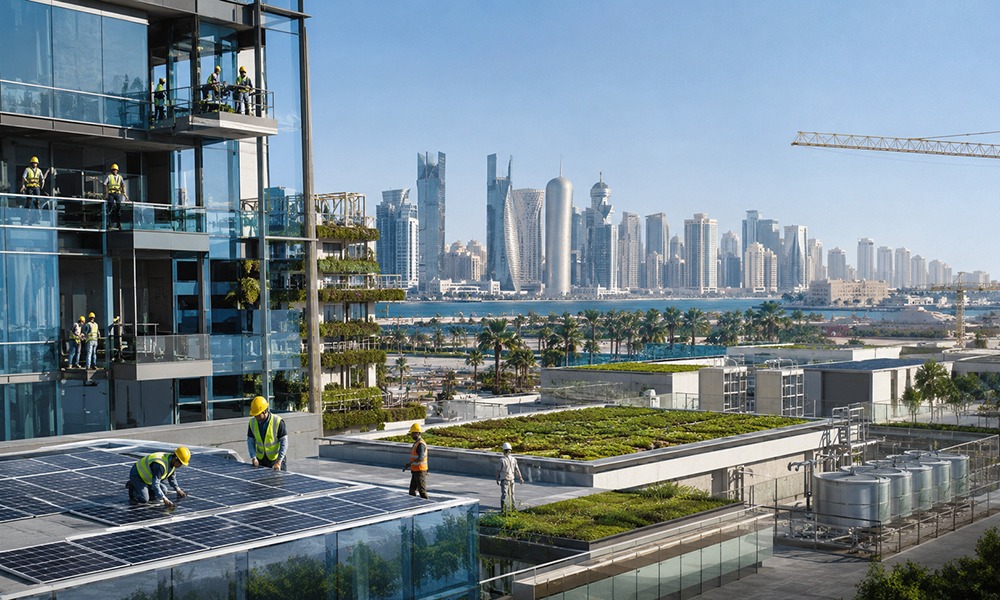
The construction industry in Qatar is growing rapidly, with new residential, commercial, and infrastructure projects being developed across the country. At the same time, there is a growing focus on sustainability and responsible construction practices.Today, builders and developers are being encouraged to use materials and construction methods that reduce waste, improve energy efficiency, and support long-term building performance.These changes are influencing the way construction projects are planned and executed. More importantly, they are affecting the types of materials being used on construction sites throughout Qatar.
Simply put, sustainable building regulations are guidelines that encourage the construction of buildings that use resources more efficiently.The goal is to reduce unnecessary waste, improve energy performance, conserve water, and create buildings that last longer.Instead of focusing only on completing a project quickly, developers are now paying attention to how a building will perform for many years after construction is finished.This approach helps create buildings that are more efficient, cost-effective, and environmentally responsible.
Construction projects require large amounts of materials, energy, and resources.When poor-quality materials are used, buildings may require frequent repairs, maintenance, or replacements. This can increase costs and create additional waste.Sustainable construction encourages the use of reliable materials that can perform well over the long term. Stronger and more durable products help reduce maintenance requirements and improve the overall lifespan of a building.For project owners, this means better value and fewer long-term expenses.
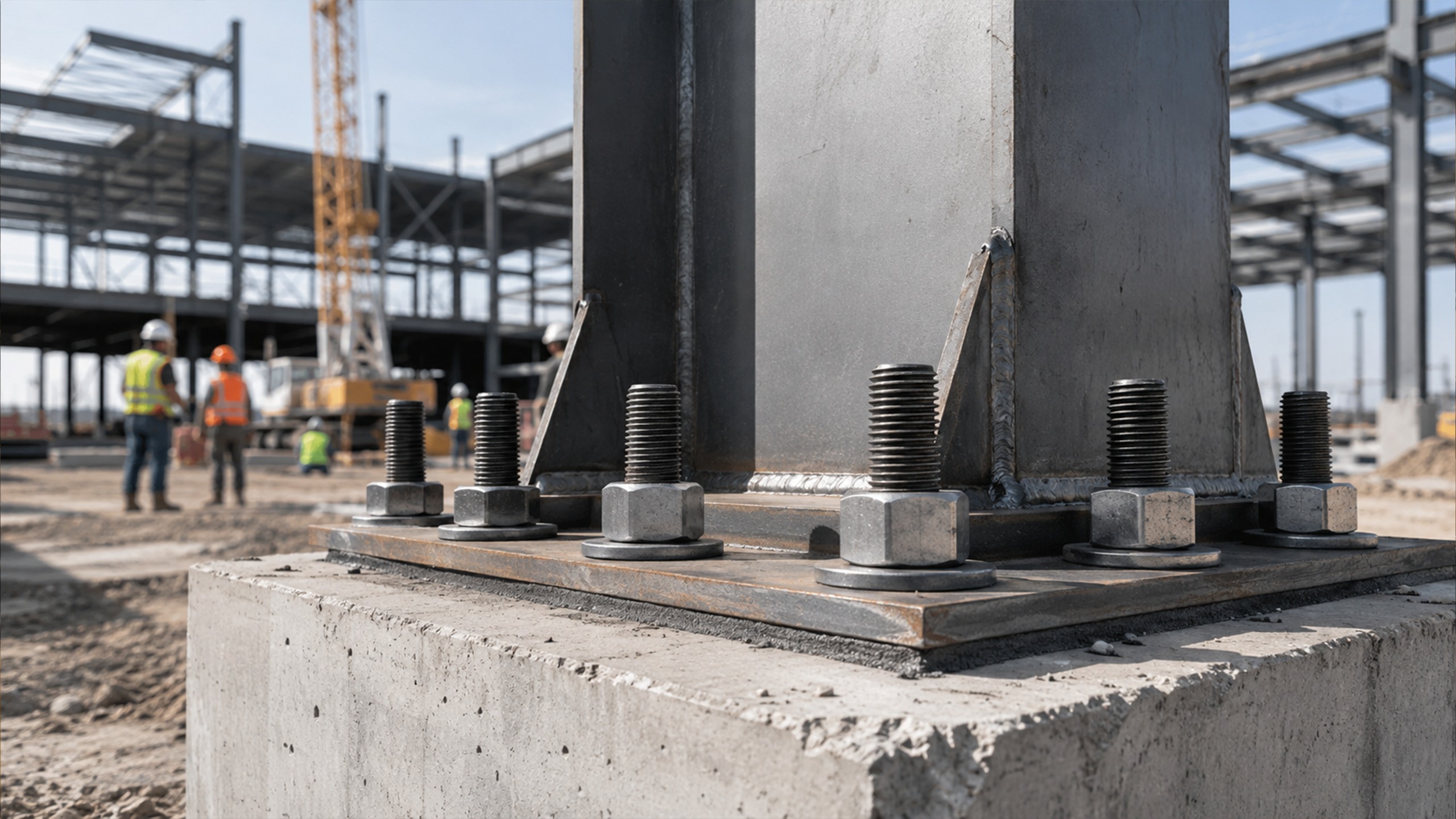
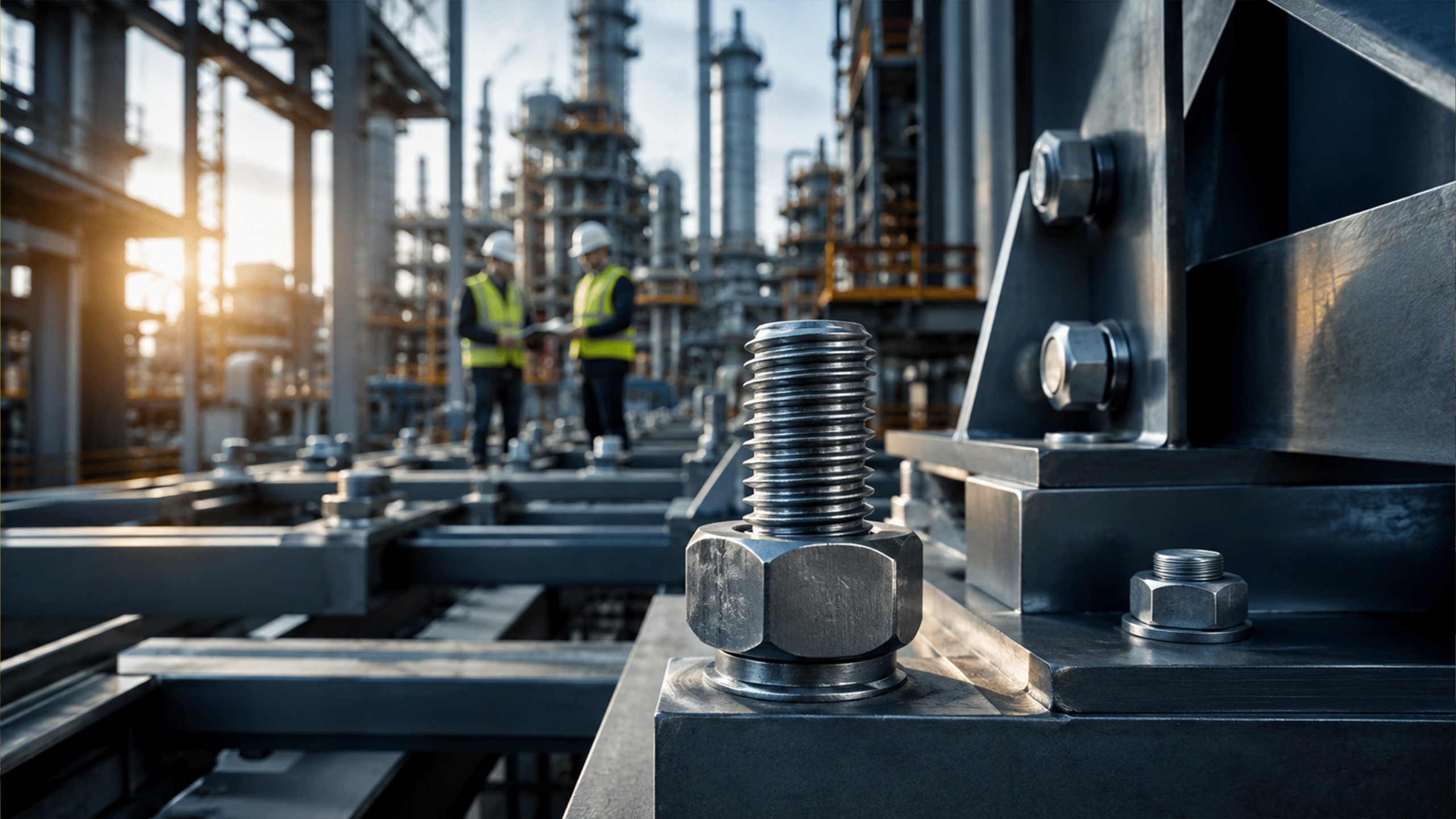
One of the biggest changes in the construction industry is the way materials are selected.In the past, price was often the main factor when purchasing construction products. Today, contractors are looking at additional factors such as durability, reliability, and long-term performance.Materials that can withstand harsh weather conditions and daily wear are becoming increasingly important.Products such as quality fasteners, pipes, fittings, electrical materials, tools, paints, and hardware accessories all contribute to the overall performance of a building.Because of this, material selection has become a more important part of the construction process than ever before.
As construction standards continue to evolve, suppliers are playing a bigger role in helping projects succeed.Contractors need reliable access to quality products that meet project requirements and industry expectations.This is why many project teams prefer working with experienced Building materials suppliers in Qatar who can provide a wide range of products, consistent availability, and dependable service.Having the right materials available at the right time helps projects stay on schedule and maintain quality standards.
Every construction project is expected to deliver long-term value.Whether it is a residential building, warehouse, office, or industrial facility, the quality of materials used during construction can have a major impact on future maintenance and performance.Choosing reliable construction products helps reduce unexpected repairs and improves the overall durability of a building.This is one reason why developers are paying more attention to material quality during procurement.Investing in better materials today often results in lower maintenance costs in the future.
The growing focus on sustainability is creating new opportunities across the construction sector.Manufacturers are introducing improved products, contractors are adopting better construction practices, and suppliers are expanding their product offerings to meet changing market demands.Companies that provide durable and reliable construction materials are well-positioned to support the industry's future growth.As sustainability becomes more important, demand for quality building products is expected to continue increasing across Qatar.
As sustainable building regulations continue to shape the future of construction in Qatar, selecting the right materials has become more important than ever. Contractors, developers, and project managers need reliable products that not only meet project specifications but also support long-term performance, durability, and compliance with modern construction standards.
At Ellora Group, we understand the evolving needs of Qatar's construction industry. We have been supplying a comprehensive range of building materials, fasteners, tools, electrical and plumbing products, hydraulic equipment, paints, and industrial solutions to support projects of every scale. Our commitment to quality, product availability, and customer service has made us a trusted partner for construction professionals across the country. construction success.
Whether you're planning a new development or managing an ongoing project, we're here to help you source quality products backed by reliable service.Contact Ellora Group today and let us help you build smarter, stronger, and more efficiently.