In industrial environments, reliability is often associated with large machinery, advanced equipment, and complex systems. However, the performance of these assets depends on components that are much smaller and frequently overlooked. Among the most important of these are industrial fasteners. From securing critical equipment to supporting operational efficiency, fasteners play a fundamental role in keeping industries running smoothly.
Whether used in manufacturing facilities, hydraulic systems, maintenance operations, or heavy-duty industrial applications, fasteners provide the secure connections that allow equipment to perform safely and consistently. While they may represent only a small part of a larger system, their impact on reliability, maintenance requirements, and operational continuity is significant. Understanding their importance can help businesses make better decisions when selecting components that contribute to long-term performance.
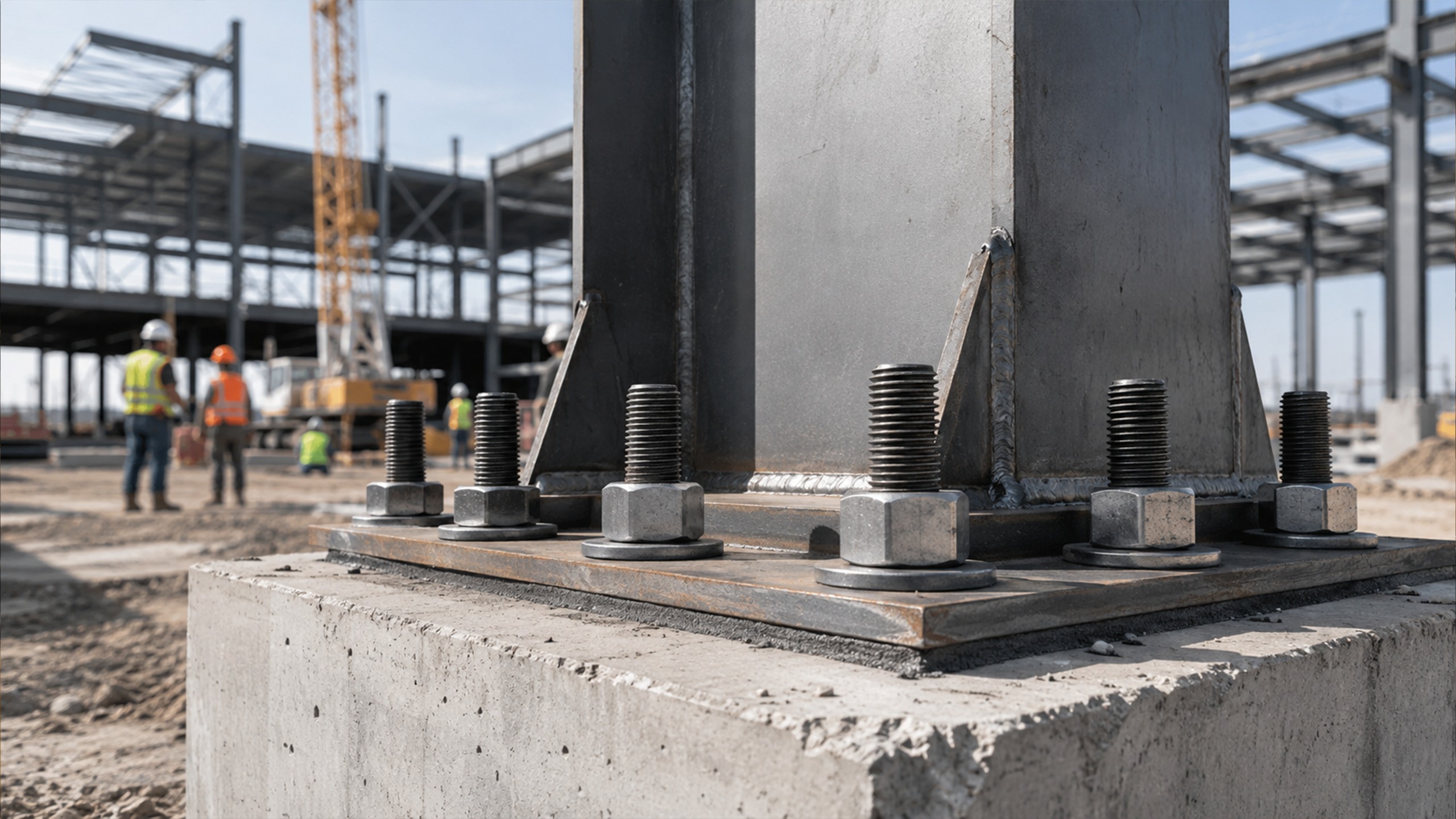
Fasteners are mechanical components used to join, secure, and stabilize parts within a system. Common examples include bolts, nuts, screws, washers, and threaded rods. Although they are simple in appearance, they perform a critical function by creating strong and dependable connections between components.
Modern industrial operations rely on thousands of fastening points across machinery, equipment, pipelines, and support structures. These connections must withstand pressure, vibration, movement, and environmental exposure while maintaining their integrity over time. Without reliable fastening solutions, even the most advanced equipment can experience instability and reduced performance.
The importance of fasteners extends across multiple sectors. Manufacturing facilities depend on them to secure production equipment, while maintenance teams rely on them to keep systems operating efficiently. Their contribution may not always be visible, but their presence is essential to the performance of industrial assets.
Equipment reliability is one of the most important goals for any industrial operation. Every component within a system must perform consistently to minimize downtime and maintain productivity. Fasteners play a direct role in achieving this objective.
A properly selected fastener helps maintain alignment, supports load distribution, and prevents unwanted movement within equipment. These functions become especially important in environments where machinery operates continuously under demanding conditions.
Even minor loosening or deterioration can affect the performance of connected components. Over time, this can lead to increased wear, reduced efficiency, and higher maintenance requirements. Reliable fastening solutions help prevent these issues by maintaining stable connections throughout the operating life of equipment.
As industries continue to focus on productivity and asset performance, fasteners remain one of the foundational elements that support dependable operations.
Because fasteners are relatively small, their failure is sometimes underestimated. In reality, the consequences can be far-reaching and costly.
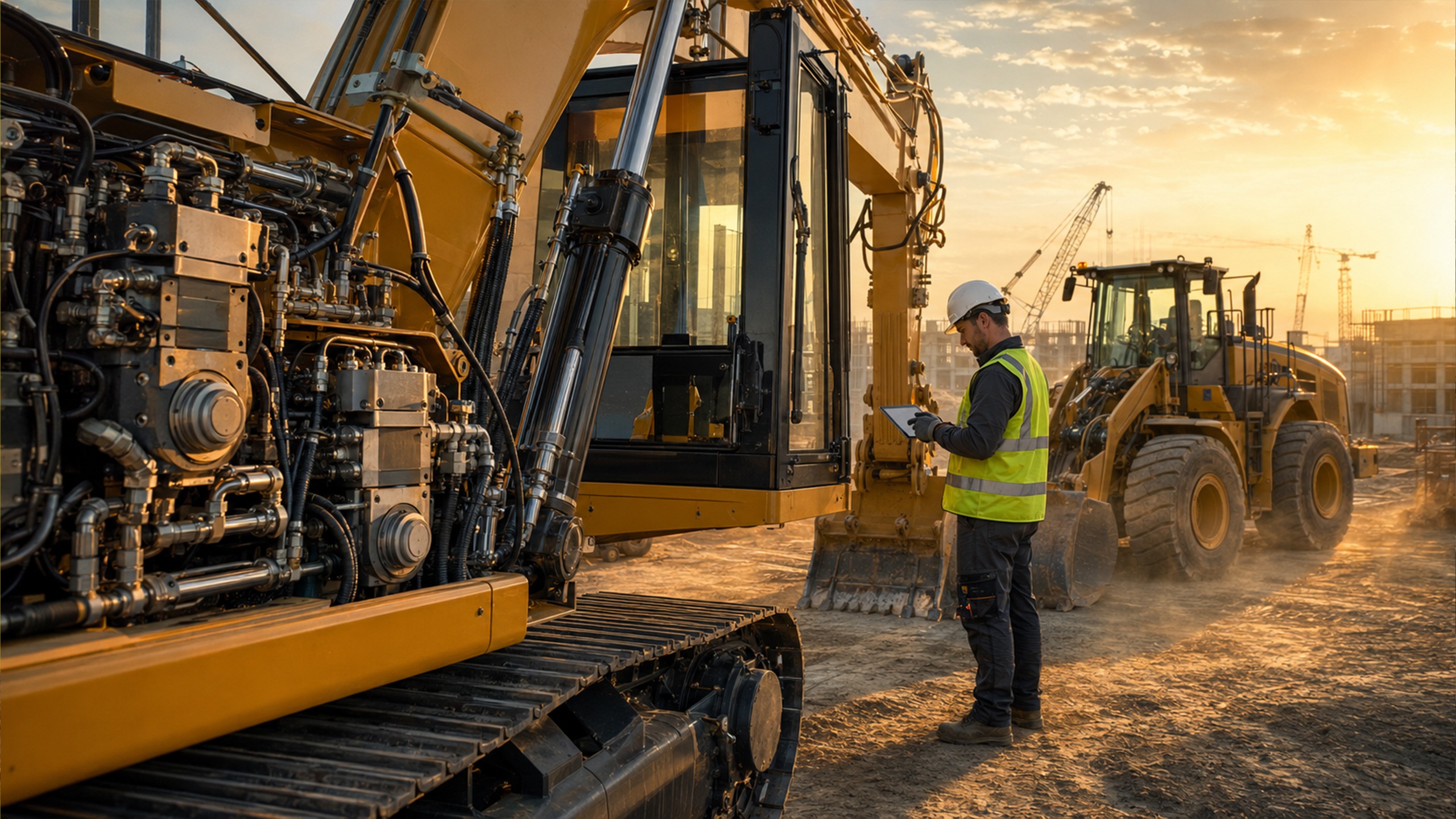
When a critical fastening point fails, equipment may need to be taken offline for inspection and repairs. This downtime can disrupt operations, affect production schedules, and create unexpected maintenance expenses. In industries where continuous operation is essential, even a short interruption can have a noticeable impact on efficiency.
Fastener failure can also accelerate wear on surrounding components. A loose connection may increase vibration, create misalignment, or place additional stress on nearby parts. What begins as a minor issue can quickly develop into a larger maintenance challenge.
Safety is another important consideration. Secure connections are essential for maintaining equipment stability and operational integrity. Choosing high-quality fastening solutions helps reduce risk while supporting a safer working environment.
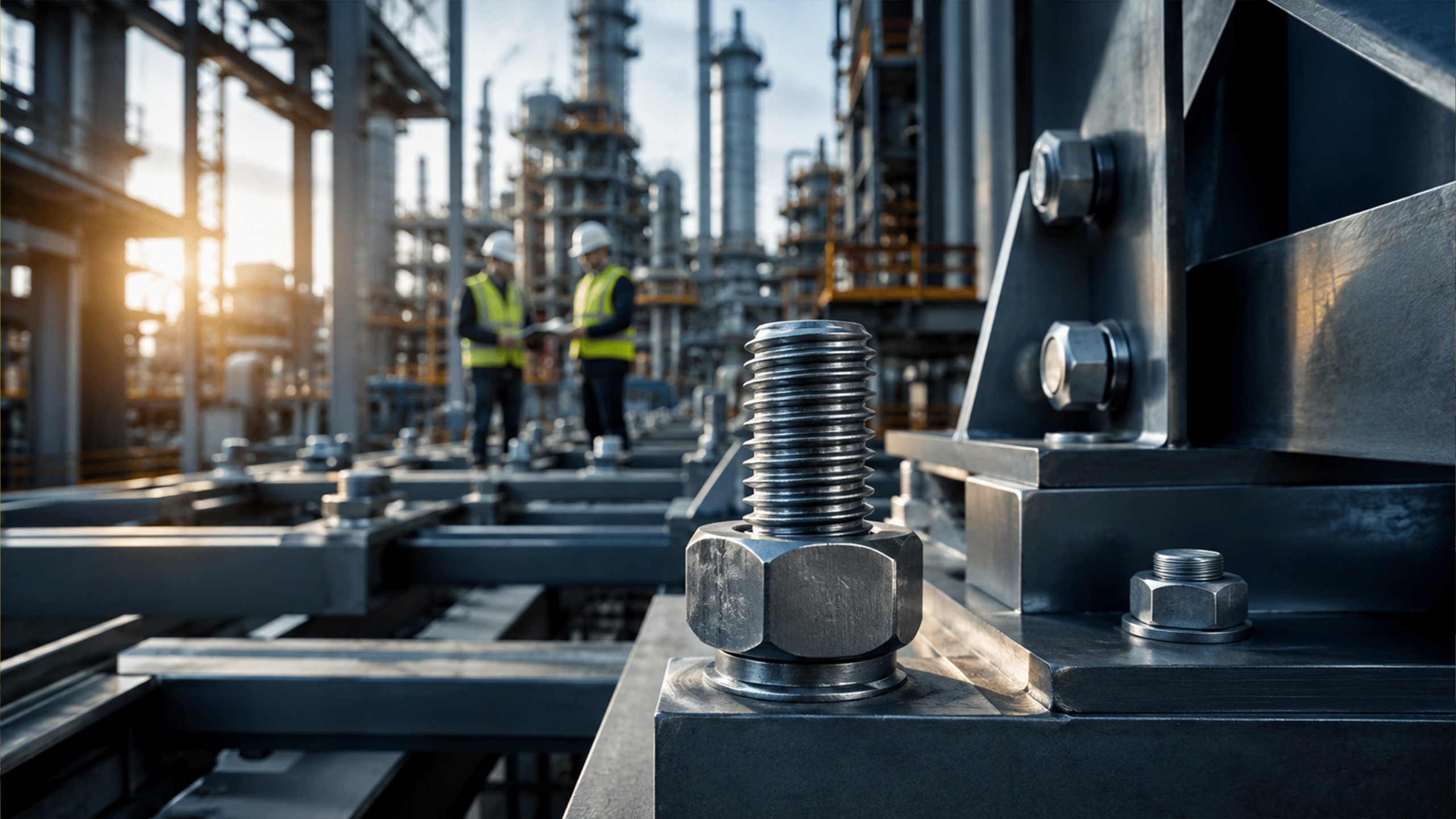
Fasteners are found in virtually every industrial sector because secure connections are essential to operational performance. In manufacturing environments, they help hold together machinery that operates continuously under heavy workloads. In the oil and gas sector, fasteners are used in equipment that must withstand demanding operating conditions while maintaining reliability over extended periods.
Hydraulic and pneumatic systems also rely on dependable fastening solutions to support pressure management and system stability. Transportation industries use fasteners throughout vehicles and equipment to ensure safe and efficient operation. Maintenance teams depend on them when repairing, upgrading, or servicing industrial assets.
Although applications vary, the purpose remains consistent. Fasteners help create reliable systems capable of performing under challenging conditions. Their role may be largely invisible, but their impact can be seen in the stability and performance of the equipment they support.
Not all fasteners are manufactured to the same specifications. Differences in material composition, strength, precision, and manufacturing quality can significantly affect performance.
Fastener grades and standards help ensure that products meet specific requirements for strength, durability, and reliability. Engineers and procurement professionals often evaluate these classifications when selecting components for critical applications. The right grade can help ensure that a fastener performs as expected under operational loads and environmental conditions.
Corrosion resistance is another important factor. Fasteners exposed to moisture, chemicals, or challenging environments require appropriate materials and protective treatments to maintain long-term performance. Selecting products that meet recognized standards helps reduce risk and supports consistent operational reliability.
For businesses focused on asset longevity and efficiency, understanding fastener specifications is an important part of the decision-making process.
Purchasing decisions are often influenced by cost considerations. While price is an important factor, focusing solely on initial purchase cost can overlook the long-term value of quality components.
Low-quality fasteners may require more frequent replacement, contribute to increased maintenance needs, or increase the likelihood of equipment failure. These hidden costs can quickly outweigh any short-term savings achieved during procurement.
Many organizations are shifting toward a value-based approach when sourcing industrial components. This strategy considers factors such as durability, lifecycle performance, maintenance requirements, and operational reliability. By evaluating the total cost of ownership rather than the purchase price alone, businesses can make more informed procurement decisions.
Quality fastening solutions often provide greater long-term value through improved performance and reduced operational disruptions.
Industrial systems continue to evolve, with equipment becoming more sophisticated and operating requirements becoming increasingly demanding. As a result, organizations are placing greater emphasis on components that contribute to reliability and efficiency.
High-performance fastening solutions are designed to meet these expectations by offering enhanced strength, durability, and resistance to challenging operating conditions. Businesses recognize that dependable connections support equipment performance and help reduce unexpected downtime.
The growing focus on operational excellence has also increased awareness of the role fasteners play in overall system reliability. Rather than being viewed as simple hardware items, they are increasingly recognized as essential components that contribute to productivity, safety, and long-term asset performance.
This shift reflects a broader industry trend toward investing in quality products that support sustainable operational success.
Selecting the right fastener involves more than choosing a bolt or screw that fits a particular application. Engineers and technical professionals often evaluate factors such as load requirements, environmental exposure, material compatibility, and performance expectations before making a decision.
This process highlights the importance of expertise in fastener selection. Working with knowledgeable suppliers can help businesses identify solutions that align with operational requirements and industry standards. Technical guidance can reduce the risk of incorrect product selection while supporting better performance outcomes.
As industrial systems become more advanced, access to reliable expertise becomes increasingly valuable. The right advice can help organizations improve reliability, reduce maintenance costs, and achieve greater confidence in the performance of their equipment.
Fasteners may be among the smallest components in an industrial system, but their impact extends throughout every stage of operation. They support equipment reliability, contribute to workplace safety, and help organizations maintain productivity in demanding environments. From manufacturing facilities and hydraulic systems to maintenance operations and heavy-duty industrial applications, dependable fastening solutions play a critical role in long-term performance.
As businesses continue to prioritize efficiency, reliability, and operational continuity, the importance of selecting high-quality fasteners becomes increasingly clear. Organizations that focus on product quality, technical standards, and lifecycle value are better positioned to reduce risk and support sustainable growth. With extensive experience in supplying industrial fasteners and related solutions, Ellora Group continues to support businesses across Qatar with products and expertise that contribute to reliable and efficient operations.